Cybersecurity in Cloud Computing

Introduction to Cloud Security
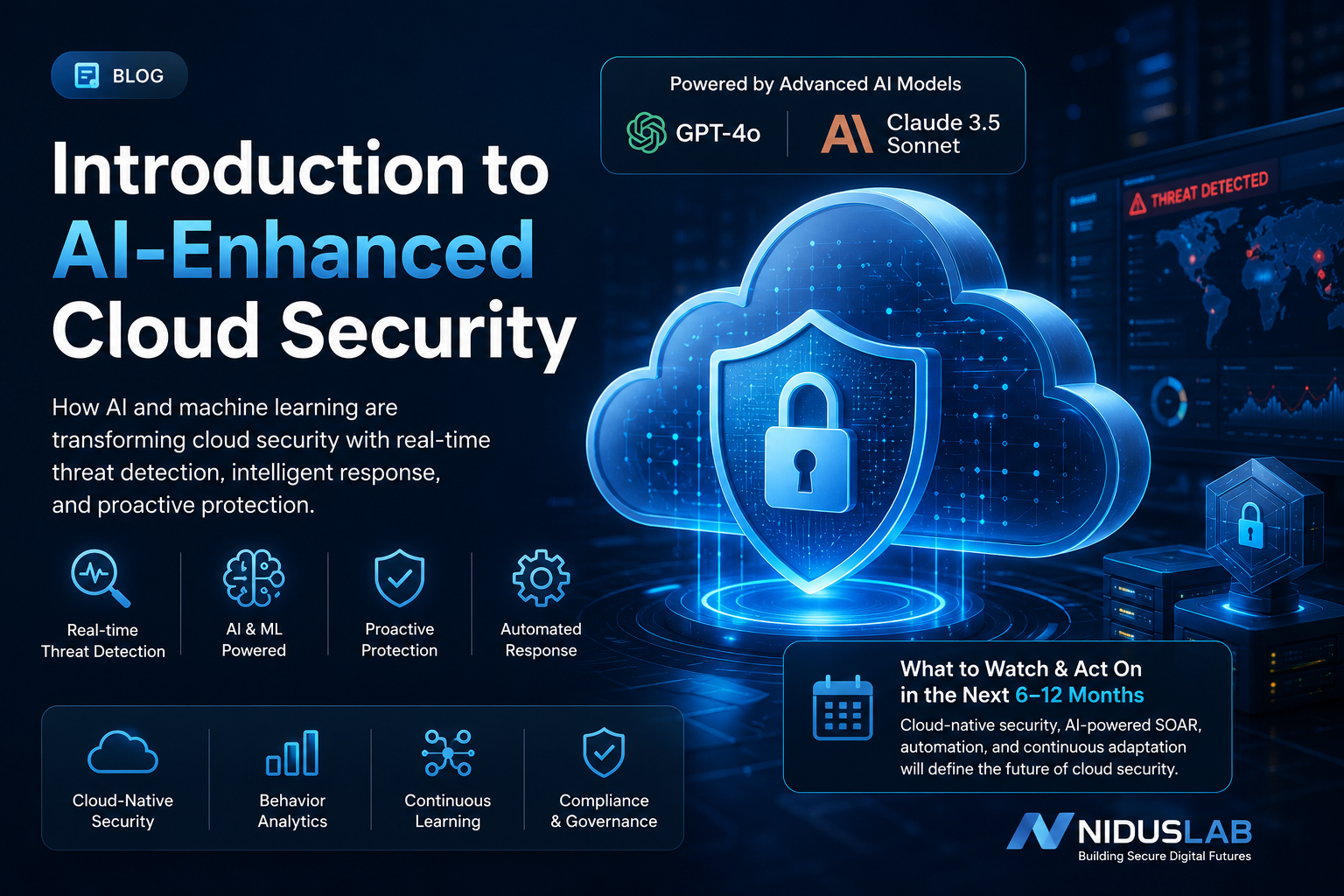
Cloud computing has revolutionized the way businesses operate, offering scalability, flexibility, and cost savings. However, this shift has also introduced new cybersecurity risks. As more data is stored and processed in the cloud, the attack surface expands, making it a prime target for hackers.
To combat these threats, organizations must adopt a multi-layered security approach that includes network security, identity and access management, and data encryption. Moreover, the use of artificial intelligence (AI) and machine learning (ML) in cloud security is becoming increasingly prevalent, enabling more effective threat detection and incident response.
Understanding Cloud Security Threats
Cloud security threats can be broadly categorized into several types, including data breaches, unauthorized access, and denial-of-service (DoS) attacks. Data breaches, in particular, are a significant concern, as they can result in sensitive information being compromised. According to recent studies, the average cost of a data breach is substantial, emphasizing the need for robust cloud security measures.
Another critical aspect of cloud security is compliance with regulatory requirements. Organizations must ensure that their cloud infrastructure adheres to relevant laws and standards, such as GDPR, HIPAA, and PCI-DSS. Failure to comply can result in severe penalties and damage to reputation.
Real-World Use Case: Securing Cloud Infrastructure with AI
A prominent example of cloud security in action is the use of AI-powered threat detection tools. These solutions utilize machine learning algorithms to identify and respond to potential security threats in real-time. For instance, a company like NidusLab, which offers cloud services and AI solutions, can leverage AI-driven security tools to protect its clients' cloud infrastructure.
One such tool is the Cursor platform, which provides real-time threat detection and incident response capabilities. By integrating Cursor with cloud infrastructure, organizations can enhance their security posture and reduce the risk of data breaches. Additionally, the use of LangChain, a framework for building AI-powered applications, can facilitate the development of custom security solutions tailored to specific business needs.
Future Outlook and Recommendations
Looking ahead, the next 6-12 months will be crucial for cloud security. As AI and ML continue to evolve, we can expect to see more sophisticated security threats emerge. To stay ahead, organizations must invest in AI-driven security tools and develop a comprehensive cloud security strategy.
Some key takeaways for businesses include:
- Implementing a multi-layered security approach that incorporates network security, identity and access management, and data encryption
- Utilizing AI-powered threat detection tools to enhance security posture
- Ensuring compliance with regulatory requirements to avoid penalties and reputational damage
In conclusion, cloud security is a critical concern for businesses operating in the cloud. By understanding the latest threats, leveraging AI-driven security tools, and developing a comprehensive security strategy, organizations can protect their assets and maintain a competitive edge. For expert guidance on cloud security and AI solutions, consider partnering with a trusted provider like NidusLab.