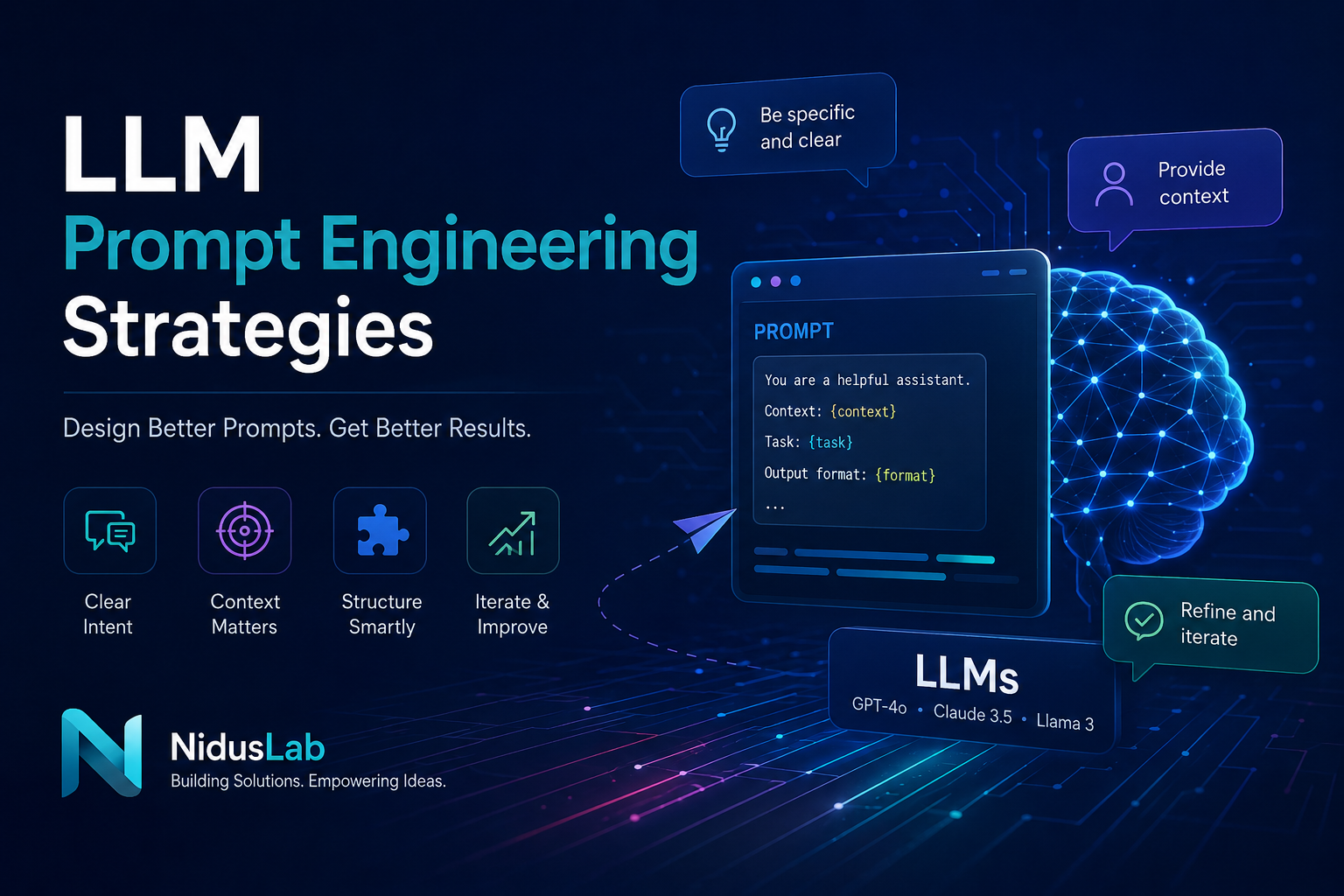
LLM Prompt Engineering Strategies
Introduction to LLM Prompt Engineering
Prompt engineering is the process of designing and optimizing the input prompts that interact with Large Language Models (LLMs) to elicit specific, accurate, and relevant responses. As LLMs like GPT-4o and Claude 3.5 Sonnet continue to advance, the importance of prompt engineering has grown significantly. Well-crafted prompts can significantly enhance the performance and utility of LLMs in various applications, from content generation to code completion.
Developers and tech teams are increasingly recognizing the value of integrating LLMs into their workflows. However, the quality of the prompts used can make a substantial difference in the outcomes. This article delves into the strategies and best practices for LLM prompt engineering, providing actionable insights for optimizing LLM performance.
How LLM Prompt Engineering Works
At its core, prompt engineering involves understanding how LLMs process and respond to input prompts. This includes grasping the model's architecture, its training data, and the algorithms it employs to generate responses. By leveraging this understanding, developers can design prompts that are more likely to elicit the desired responses, whether it's generating code snippets, answering complex questions, or creating engaging content.
A key aspect of prompt engineering is fine-tuning. This process involves adjusting the model's parameters to better align with the specific task or domain at hand. Tools like LangChain and frameworks such as Llama 3 provide developers with the capabilities to fine-tune LLMs for their particular use cases, significantly enhancing the models' performance and relevance.
Real-World Use Cases and Practical Takeaways
A concrete example of the application of LLM prompt engineering is in software development. By using well-engineered prompts, developers can leverage LLMs to generate boilerplate code, suggest fixes for common errors, or even contribute to the development of entirely new features. This not only accelerates the development process but also reduces the likelihood of human error, leading to more robust and reliable software.
For teams looking to integrate LLMs into their workflow, a practical takeaway is to invest time in crafting high-quality prompts. This involves not just understanding the technical capabilities of the LLM but also considering the context and specifics of the task at hand. Additionally, leveraging tools and frameworks that support prompt engineering can significantly streamline the process and improve outcomes.
Looking Ahead: Trends and Opportunities in LLM Prompt Engineering
Over the next 6-12 months, we can expect to see significant advancements in LLM technology, including improvements in model efficiency, the introduction of new architectures, and expanded capabilities for fine-tuning and customization. For developers and tech teams, staying abreast of these developments and continuing to refine their prompt engineering skills will be crucial for maximizing the benefits of LLM integration.
As the landscape of LLMs and prompt engineering continues to evolve, partnering with a knowledgeable and experienced technology solutions provider like NidusLab can provide valuable insights and support. Whether it's navigating the complexities of LLM integration, optimizing prompt engineering strategies, or exploring new applications for AI and machine learning, NidusLab stands as a trusted resource for businesses and developers seeking to harness the full potential of emerging technologies.