Agentic AI: Unlocking Autonomous Decision-Making
Introduction to Agentic AI
Agentic AI refers to a class of artificial intelligence systems that can make decisions autonomously, without human intervention. This is achieved through the integration of machine learning, natural language processing, and cognitive architectures. Agentic AI has the potential to transform industries such as healthcare, finance, and transportation, by enabling real-time decision-making and optimizing complex processes.
The current state of agentic AI is characterized by the development of sophisticated large language models like GPT-4o and Claude 3.5 Sonnet. These models have demonstrated remarkable capabilities in understanding and generating human-like language, and have paved the way for the creation of more advanced agentic AI systems.
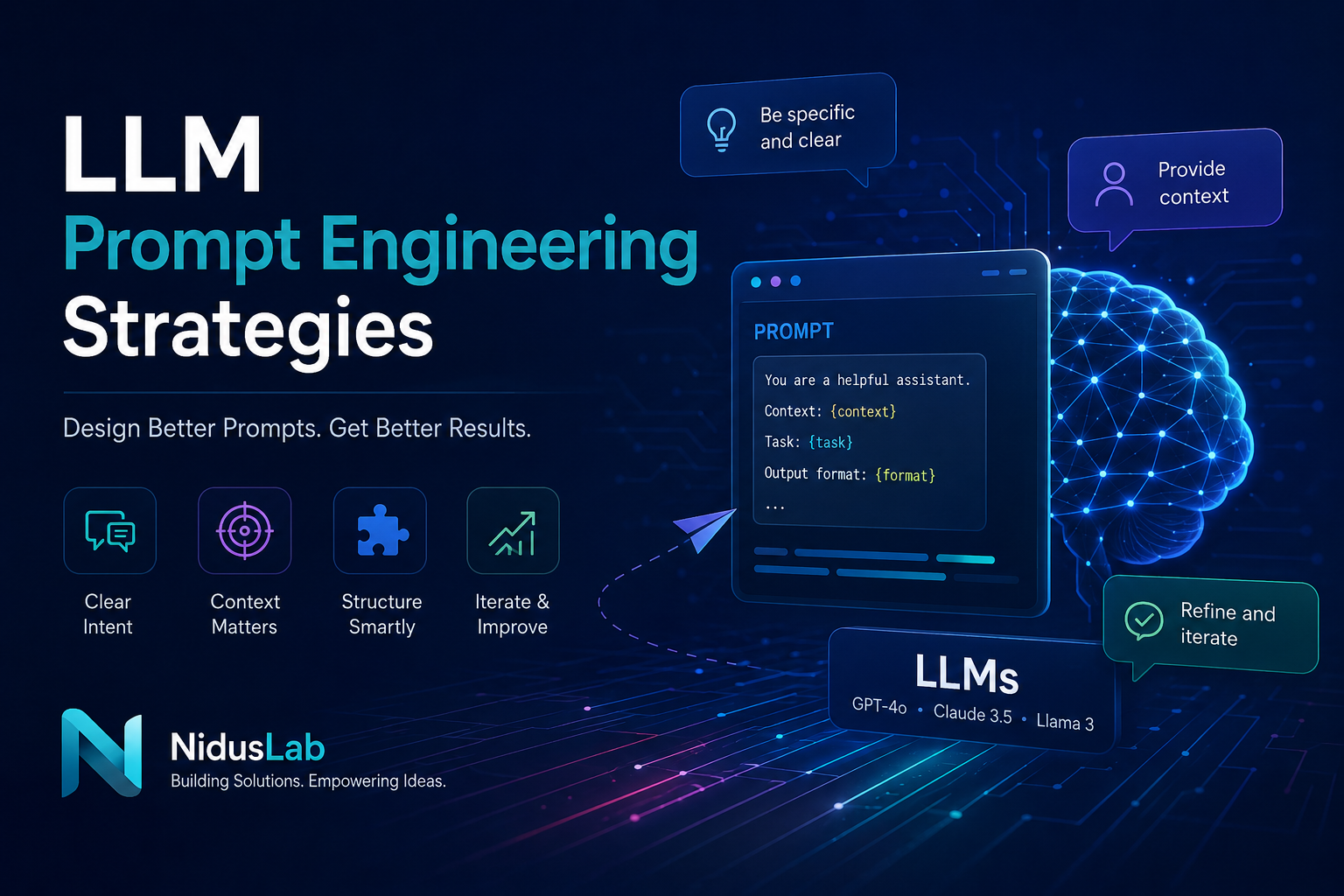
One of the key challenges in developing agentic AI systems is the need for robust and flexible decision-making frameworks. This is where frameworks like LangChain and Llama 3 come into play, providing a structured approach to building and deploying agentic AI models.
How Agentic AI Works
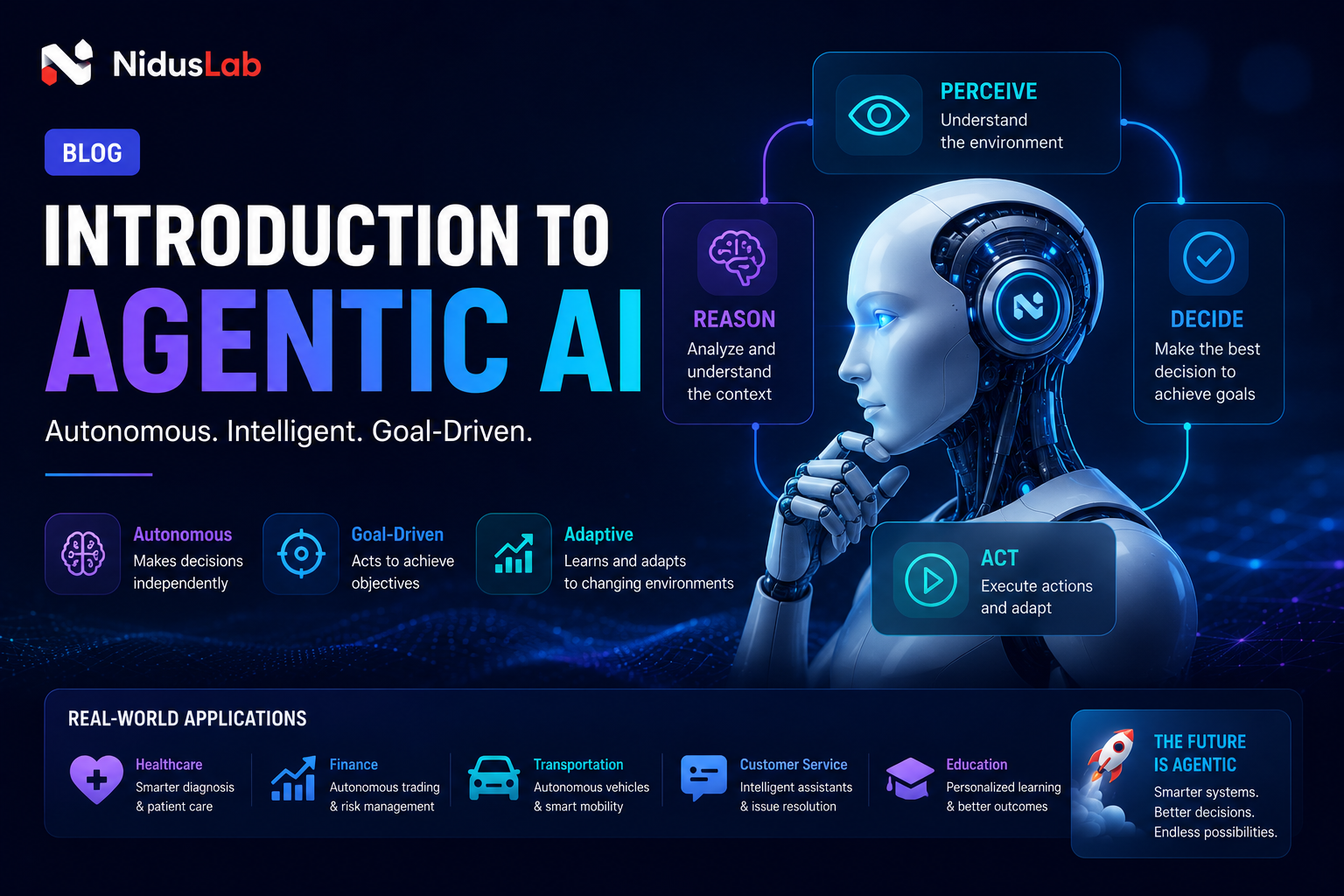
Agentic AI systems operate by combining multiple AI components, including machine learning models, knowledge graphs, and planning algorithms. These components work together to enable the system to perceive its environment, reason about the current state, and make decisions to achieve its goals.
The process of building an agentic AI system typically involves several stages, including data collection, model training, and deployment. The choice of machine learning framework and programming language can significantly impact the development process, with popular options including Python, TensorFlow, and PyTorch.
A key aspect of agentic AI is the concept of agency, which refers to the system's ability to act autonomously and make decisions based on its own goals and objectives. This requires the development of sophisticated decision-making frameworks that can balance competing priorities and adapt to changing circumstances.
Real-World Applications of Agentic AI
Agentic AI has a wide range of potential applications, from autonomous vehicles to personalized healthcare. One example of a real-world application is the use of agentic AI in customer service, where chatbots and virtual assistants can be used to provide personalized support and resolve issues autonomously.
Another example is the use of agentic AI in financial trading, where systems can be designed to make autonomous decisions based on real-time market data and analytics. This can help to reduce risk and improve returns, while also providing a competitive edge in the market.
In the field of education, agentic AI can be used to create personalized learning platforms that adapt to the needs and abilities of individual students. This can help to improve outcomes and increase student engagement, while also reducing the workload of teachers and educators.
What to Watch in the Next 6-12 Months
As the field of agentic AI continues to evolve, we can expect to see significant advancements in the development of more sophisticated decision-making frameworks and autonomous systems. One area to watch is the integration of agentic AI with other emerging technologies, such as blockchain and the Internet of Things (IoT).
Another area of focus will be the development of more robust and transparent explainability methods, which can help to build trust and confidence in agentic AI systems. This will be critical for the widespread adoption of agentic AI in industries such as healthcare and finance, where transparency and accountability are essential.
For businesses and organizations looking to leverage the potential of agentic AI, it is essential to partner with a trusted and experienced provider, such as NidusLab. With expertise in AI and machine learning, NidusLab can help to design and deploy agentic AI systems that meet the unique needs and goals of your organization.